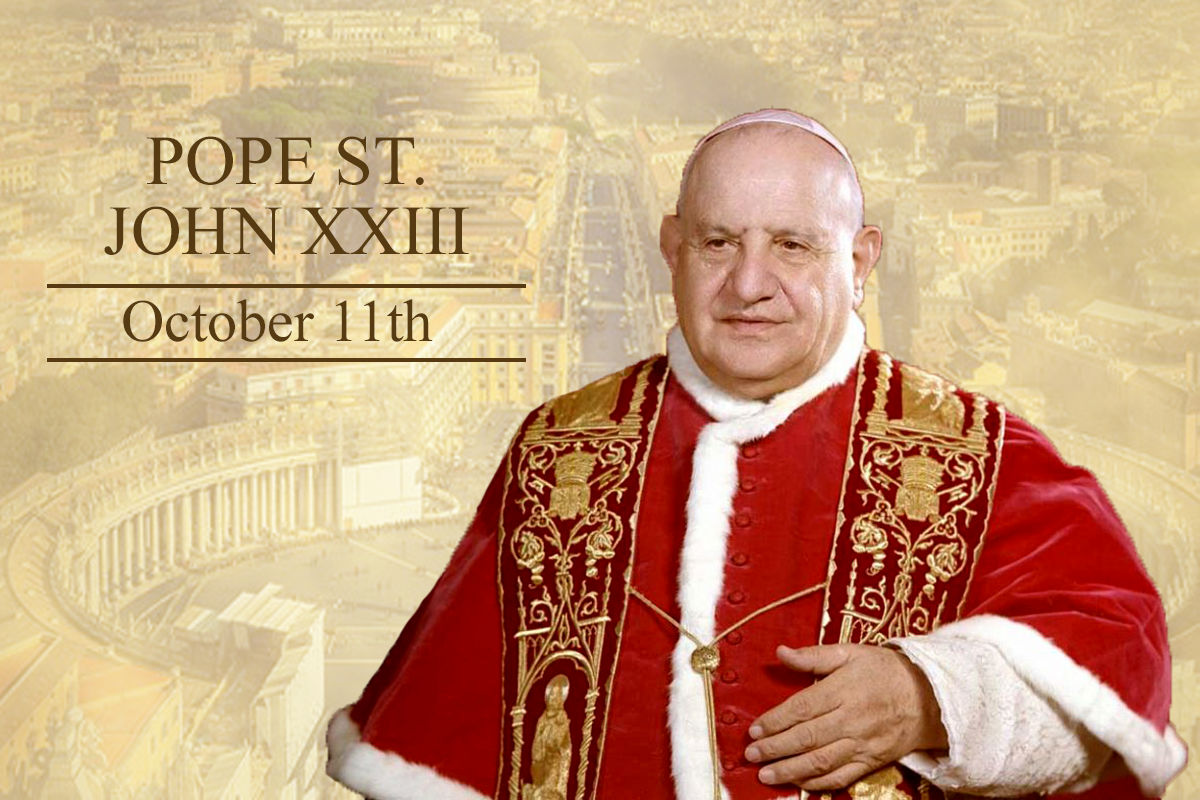
Pope John XXIII, born Angelo Giuseppe Roncalli, is a figure of immense significance in the Catholic Church. His papacy, though brief, was marked by profound changes and initiatives that continue to influence the Church today. One of the most notable events associated with Pope John XXIII is his feast day, which is celebrated annually on June 3rd. This day serves as a reminder of his contributions and the enduring impact of his papacy.
Who Was Pope John XXIII?
Pope John XXIII, born in 1881 in Sotto il Monte, Italy, was ordained a priest in 1904. His journey through the Church hierarchy was marked by his diplomatic skills and pastoral approach. Before becoming Pope, he served in various roles, including as the Apostolic Nuncio to France and a participant in the Vatican II Council. His election as Pope in 1958 was seen as a surprise, given his advanced age and relatively low profile within the Vatican.
The Significance of Pope John XXIII Feast Day
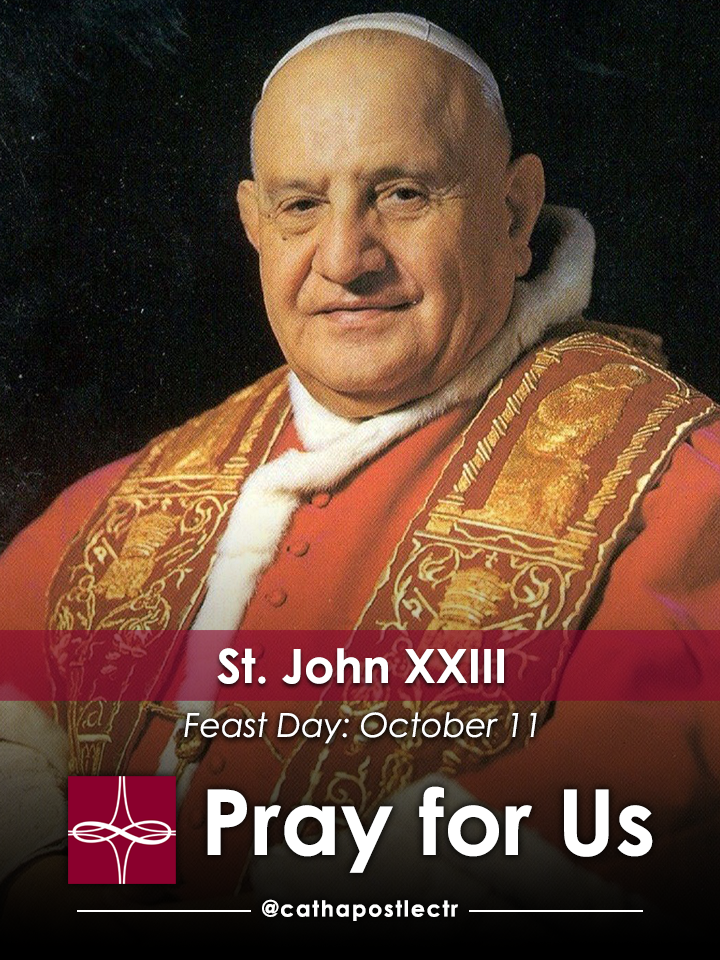
The feast day of Pope John XXIII, celebrated on June 3rd, holds deep significance for Catholics worldwide. This day commemorates his life, teachings, and the reforms he initiated. Pope John XXIII is often remembered for his encyclical Pacem in Terris (Peace on Earth), which addressed issues of peace, human rights, and social justice. His feast day is an opportunity to reflect on these themes and to honor his legacy.
Pope John XXIII's feast day is also a time to celebrate his role in convening the Second Vatican Council, often referred to as Vatican II. This council, which began in 1962, aimed to modernize the Church and address the challenges of the contemporary world. The council's reforms included changes in liturgy, ecumenism, and the Church's relationship with non-Christian religions. These initiatives have had a lasting impact on the Church's practices and teachings.
Celebrations and Traditions
Celebrations for Pope John XXIII's feast day vary widely across different regions and communities. Some common traditions include:
- Mass and Liturgical Services: Many parishes hold special Masses and liturgical services to honor Pope John XXIII. These services often highlight his teachings and the reforms he initiated.
- Educational Events: Schools and educational institutions may organize lectures, seminars, and workshops to discuss Pope John XXIII's life and contributions. These events provide an opportunity for deeper understanding and reflection.
- Community Gatherings: Local communities often come together for prayer vigils, processions, and other communal activities. These gatherings foster a sense of unity and shared faith.
- Charitable Activities: In keeping with Pope John XXIII's emphasis on social justice, many communities engage in charitable activities such as food drives, volunteer work, and fundraising for those in need.
These celebrations not only honor Pope John XXIII but also serve as a reminder of the Church's ongoing mission to promote peace, justice, and unity.
Legacy and Impact
Pope John XXIII's legacy extends far beyond his feast day. His papacy is often seen as a turning point in the Church's history, marking a shift towards greater openness and engagement with the modern world. His encyclicals, such as Mater et Magistra (Mother and Teacher) and Pacem in Terris, continue to be studied and referenced for their insights on social and ethical issues.
One of the most enduring aspects of Pope John XXIII's legacy is his role in convening Vatican II. The council's reforms have had a profound impact on the Church's liturgy, governance, and relationship with the world. His approach to ecumenism and interfaith dialogue has also paved the way for greater understanding and cooperation among different religious communities.
Pope John XXIII's feast day serves as a reminder of his enduring influence and the ongoing relevance of his teachings. His emphasis on peace, justice, and unity continues to inspire Catholics and people of goodwill around the world.
📚 Note: Pope John XXIII was canonized by Pope Francis in 2014, recognizing his holiness and the impact of his life and teachings on the Church and the world.
Pope John XXIII's feast day is a time to reflect on his life, teachings, and the enduring impact of his papacy. His emphasis on peace, justice, and unity continues to inspire Catholics and people of goodwill around the world. Through his encyclicals, his role in convening Vatican II, and his pastoral approach, Pope John XXIII has left a lasting legacy that continues to shape the Church today. His feast day serves as a reminder of his contributions and the ongoing relevance of his teachings.
What is the significance of Pope John XXIII Feast Day?
+Pope John XXIII Feast Day, celebrated on June 3rd, commemorates the life and contributions of Pope John XXIII. It is a time to reflect on his teachings, particularly his encyclicals and his role in convening the Second Vatican Council, which brought about significant reforms in the Catholic Church.
How is Pope John XXIII Feast Day celebrated?
+Celebrations for Pope John XXIII Feast Day include special Masses, liturgical services, educational events, community gatherings, and charitable activities. These events honor his legacy and promote the values he championed, such as peace, justice, and unity.
What are some of Pope John XXIII’s most notable contributions?
+Pope John XXIII is known for his encyclicals, including Pacem in Terris and Mater et Magistra, which address issues of peace, human rights, and social justice. He is also remembered for convening the Second Vatican Council, which brought about significant reforms in the Church’s liturgy, governance, and relationship with the world.
Why is Pope John XXIII’s legacy important?
+Pope John XXIII’s legacy is important because his teachings and initiatives continue to influence the Catholic Church and the world. His emphasis on peace, justice, and unity, as well as his role in modernizing the Church, have had a lasting impact on its practices and teachings.
What can we learn from Pope John XXIII’s life and teachings?
+From Pope John XXIII’s life and teachings, we can learn the importance of promoting peace, justice, and unity. His pastoral approach and commitment to social justice serve as a reminder of the Church’s mission to serve all people and to work towards a more just and peaceful world.