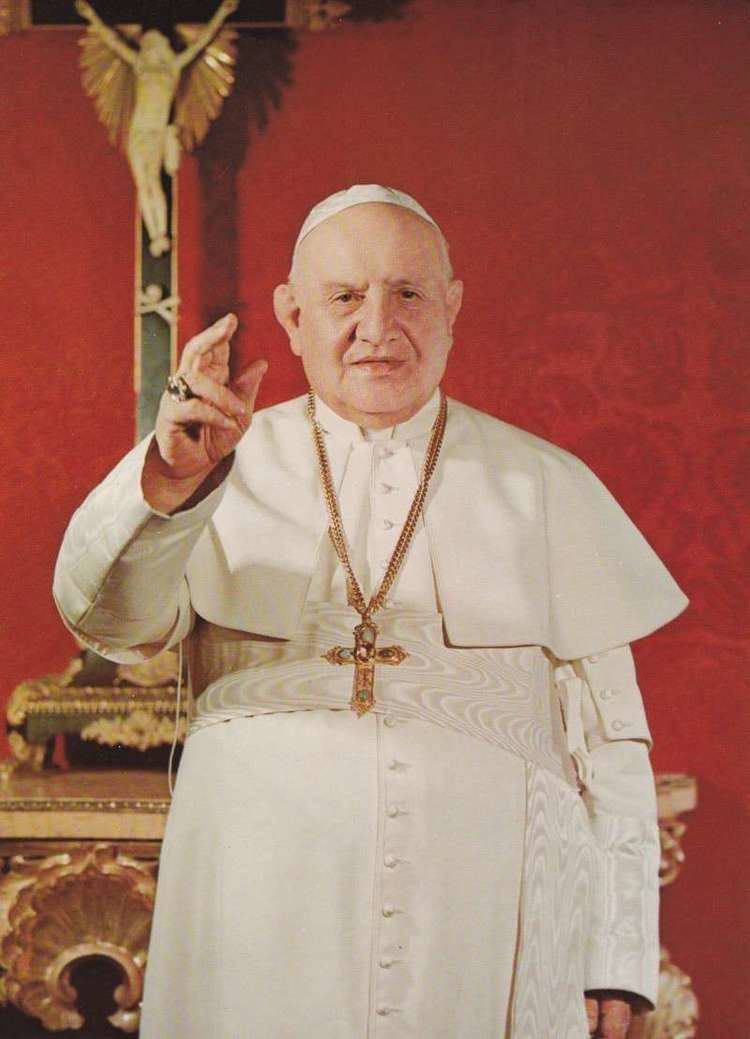
Pope John Paul XXIII, born Angelo Giuseppe Roncalli, was a pivotal figure in the Catholic Church, serving as the head of the Church and sovereign of the Vatican City State from 1958 until his death in 1963. His papacy was marked by significant changes and reforms that continue to influence the Church today. This post delves into the life, legacy, and impact of Pope John Paul XXIII, highlighting his contributions to the Catholic Church and the world.
Early Life and Career
Angelo Giuseppe Roncalli was born on November 25, 1881, in Sotto il Monte, Italy. He was ordained as a priest in 1904 and quickly rose through the ranks of the Church. His diplomatic skills and linguistic abilities led to his appointment as the Apostolic Visitor to Bulgaria in 1925. Roncalli's career in the Church was characterized by his dedication to pastoral care and his ability to navigate complex political landscapes.
Papal Election and Early Papacy
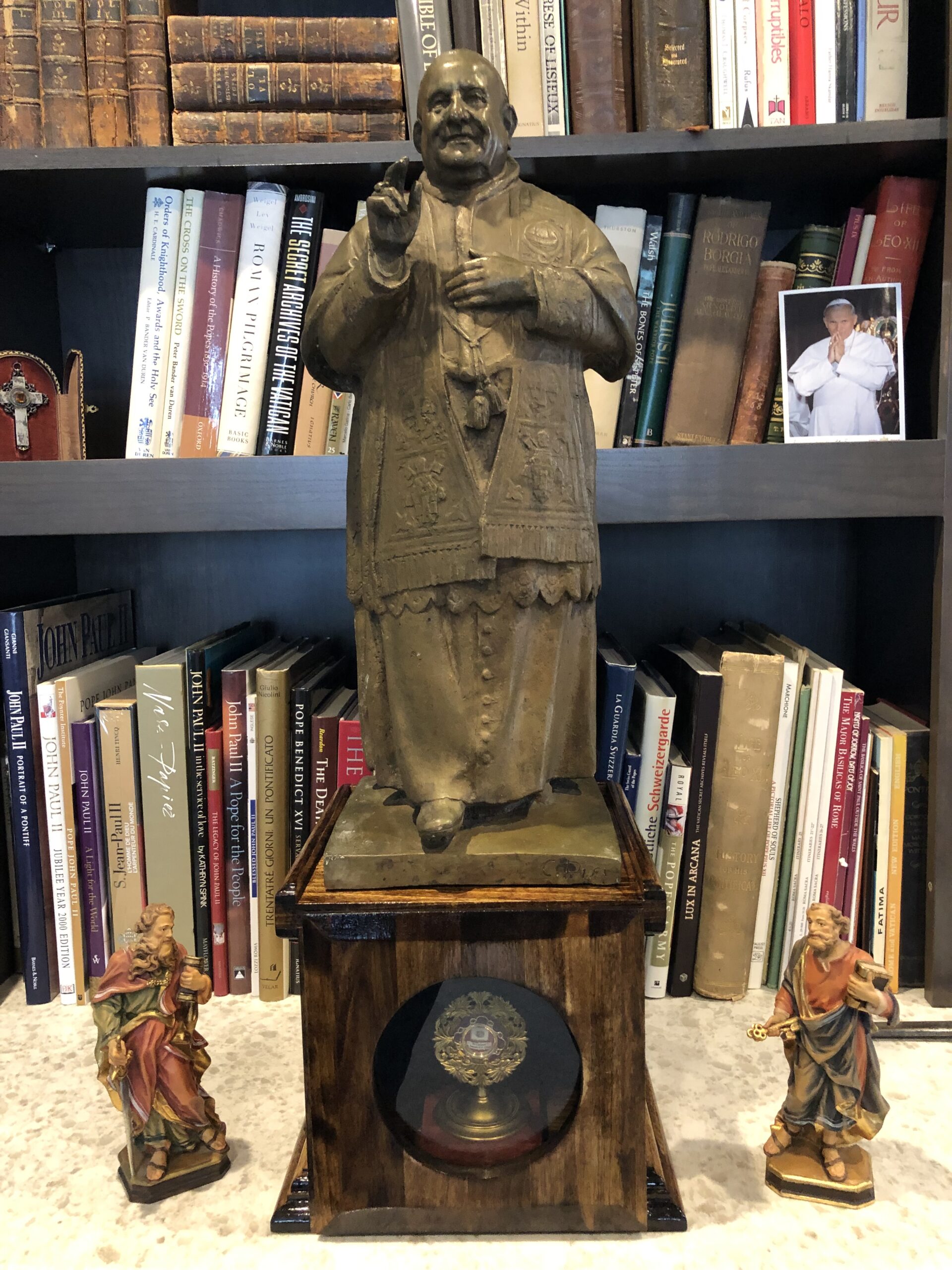
Pope John Paul XXIII was elected as the 261st Pope on October 28, 1958, at the age of 76. His election was somewhat surprising, as he was considered a compromise candidate. However, his humble demeanor and pastoral approach quickly endeared him to the faithful. One of his first significant acts was to convene the Second Vatican Council, which aimed to address the challenges facing the Church in the modern world.
The Second Vatican Council
The Second Vatican Council, often referred to as Vatican II, was a landmark event in the history of the Catholic Church. Convened by Pope John Paul XXIII in 1962, the Council sought to update the Church's teachings and practices to better engage with the contemporary world. Key areas addressed included:
- Liturgy: Simplifying and modernizing the liturgy to make it more accessible to the laity.
- Ecumenism: Promoting dialogue and understanding with other Christian denominations and non-Christian religions.
- Religious Freedom: Affirming the right to religious freedom for all people.
- Role of the Laity: Emphasizing the importance of the laity in the life and mission of the Church.
Pope John Paul XXIII's decision to convene the Council was a bold move that set the stage for significant reforms within the Church. His encyclical Pacem in Terris (Peace on Earth), published in 1963, further underscored his commitment to peace, justice, and human dignity.
Legacy and Impact
Pope John Paul XXIII's legacy is multifaceted and enduring. His pastoral approach and emphasis on the Church's role in the modern world have left a lasting impact. Some of the key aspects of his legacy include:
- Pastoral Leadership: His warm and approachable demeanor made him a beloved figure among the faithful.
- Ecumenical Efforts: His efforts to promote dialogue and understanding with other Christian denominations and religions.
- Social Justice: His encyclicals and speeches emphasized the importance of social justice and human dignity.
- Vatican II: His decision to convene the Second Vatican Council initiated a wave of reforms that continue to shape the Church today.
Pope John Paul XXIII was beatified by Pope John Paul II in 2000 and canonized by Pope Francis in 2014. His feast day is celebrated on October 11, the anniversary of the opening of the Second Vatican Council.
📝 Note: Pope John Paul XXIII's encyclical Pacem in Terris is considered one of the most important documents of the 20th century, addressing issues of peace, justice, and human rights.
Pope John Paul XXIII and the Modern World
Pope John Paul XXIII's papacy coincided with a period of rapid social and political change. His ability to navigate these changes and adapt the Church's teachings to the modern world is a testament to his leadership. Some of the key challenges he faced included:
- The Cold War: His encyclical Pacem in Terris called for peace and disarmament during a time of global tension.
- Secularization: He addressed the growing secularization of society and the need for the Church to engage with the modern world.
- Technological Advances: He recognized the impact of technological advances on society and the need for the Church to adapt.
Pope John Paul XXIII's approach to these challenges was characterized by his pastoral leadership and his commitment to the Church's mission of spreading the Gospel. His legacy continues to inspire leaders in the Church and beyond, reminding us of the importance of compassion, dialogue, and social justice.
Pope John Paul XXIII's impact on the Catholic Church and the world is undeniable. His pastoral approach, commitment to ecumenism, and efforts to modernize the Church have left a lasting legacy. His decision to convene the Second Vatican Council initiated a wave of reforms that continue to shape the Church today. As we reflect on his life and legacy, we are reminded of the importance of compassion, dialogue, and social justice in building a more peaceful and just world.
What was the significance of the Second Vatican Council?
+The Second Vatican Council, convened by Pope John Paul XXIII, was significant because it aimed to update the Church’s teachings and practices to better engage with the modern world. It addressed key areas such as liturgy, ecumenism, religious freedom, and the role of the laity.
What was Pope John Paul XXIII’s approach to pastoral leadership?
+Pope John Paul XXIII’s approach to pastoral leadership was characterized by his warm and approachable demeanor. He emphasized the importance of compassion, dialogue, and social justice, making him a beloved figure among the faithful.
What was the impact of Pope John Paul XXIII’s encyclical Pacem in Terris?
+Pope John Paul XXIII’s encyclical Pacem in Terris had a significant impact by calling for peace, disarmament, and human rights during a time of global tension. It is considered one of the most important documents of the 20th century.