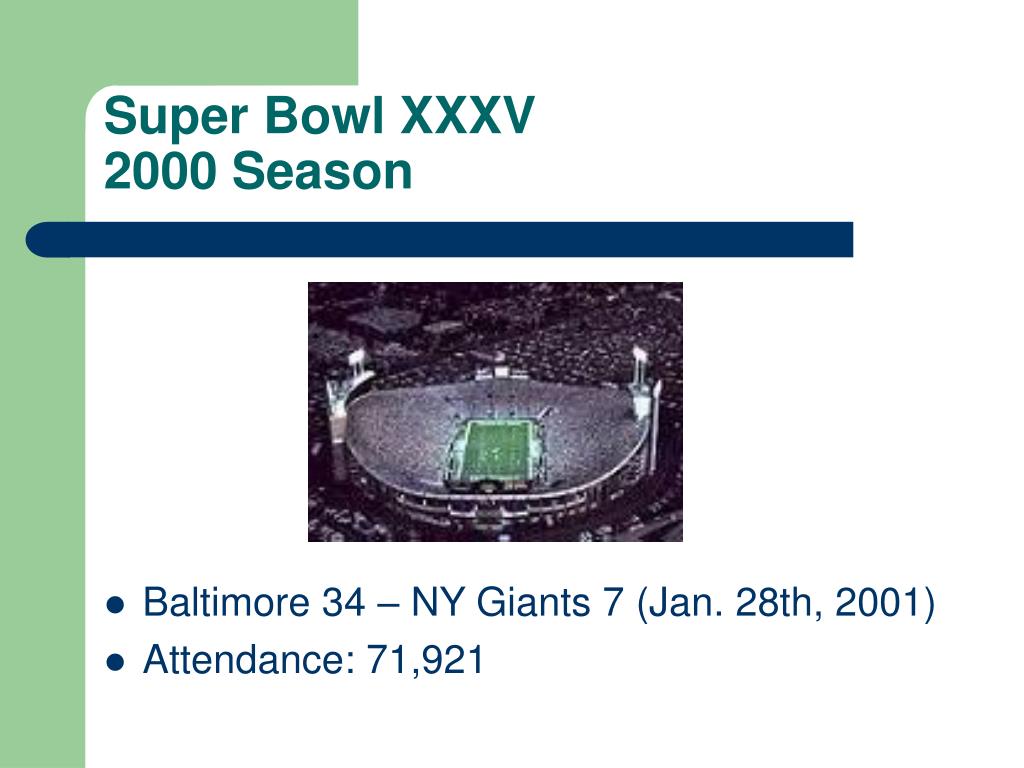
The Super Bowl is one of the most-watched sporting events in the world, and with the advancement of technology, it has become a hotbed for innovation. One of the most intriguing technologies making waves in recent years is Facial Recognition Technology. This technology has the potential to revolutionize the way we experience the Super Bowl, from enhancing security to providing personalized fan experiences. Let's delve into how Facial Recognition Technology is being integrated into the Super Bowl experience and what it means for fans and organizers alike.
The Evolution of Facial Recognition Technology
Facial Recognition Technology has come a long way since its inception. Initially used for security purposes, it has now found applications in various fields, including entertainment and sports. The technology works by analyzing facial features and comparing them to a database of known faces. This process is incredibly fast and accurate, making it an ideal tool for large-scale events like the Super Bowl.
Enhancing Security at Super Bowl Xxxv

Security is a top priority at any major sporting event, and the Super Bowl is no exception. With thousands of fans converging on a single location, ensuring the safety of attendees is paramount. Facial Recognition Technology can play a crucial role in this regard. By scanning the faces of attendees as they enter the stadium, organizers can quickly identify individuals who may pose a security risk. This technology can also help in locating missing persons or tracking down individuals involved in criminal activities.
For example, during Super Bowl Xxxv, facial recognition systems can be deployed at entry points to match faces against a database of known criminals or individuals on watchlists. This proactive approach can significantly enhance the overall security of the event, providing peace of mind for both organizers and attendees.
Personalized Fan Experiences
Beyond security, Facial Recognition Technology can also enhance the fan experience by providing personalized interactions. Imagine walking into the stadium and being greeted by name, with your favorite team's merchandise recommendations popping up on digital screens. This level of personalization is made possible by facial recognition, which can identify fans and retrieve their preferences from a database.
During Super Bowl Xxxv, fans can expect to see more interactive kiosks and digital displays that use facial recognition to offer tailored content. For instance, a fan could walk up to a kiosk and be shown highlights of their favorite player or team, based on their previous interactions and preferences. This not only makes the experience more engaging but also creates a deeper connection between the fan and the event.
Challenges and Ethical Considerations
While the benefits of Facial Recognition Technology are numerous, there are also challenges and ethical considerations to keep in mind. Privacy concerns are at the forefront, as fans may feel uncomfortable with their faces being scanned and stored in a database. It is crucial for organizers to be transparent about how the data will be used and to ensure that it is handled securely.
Additionally, there are technical challenges to overcome. Facial recognition systems must be accurate and reliable, especially in a crowded and dynamic environment like a stadium. False positives or negatives can lead to inconveniences or security breaches, so it is essential to have robust systems in place.
To address these concerns, organizers can implement strict data protection policies and ensure that fans are informed about the use of facial recognition technology. Providing opt-out options and clear communication about data usage can help build trust and mitigate privacy issues.
🔒 Note: It is important for event organizers to comply with local and national regulations regarding the use of facial recognition technology. This includes obtaining necessary permissions and ensuring that data is handled in accordance with privacy laws.
Future of Facial Recognition Technology in Sports
The integration of Facial Recognition Technology into events like the Super Bowl is just the beginning. As the technology continues to evolve, we can expect to see even more innovative applications in the world of sports. From enhanced fan engagement to improved security measures, the possibilities are endless.
For instance, future Super Bowls could see the use of augmented reality (AR) combined with facial recognition to create immersive experiences for fans. Imagine being able to see real-time statistics and player information overlayed on your view of the field, all thanks to facial recognition technology that identifies you and tailors the content to your preferences.
Moreover, the technology can be used to track fan sentiment and engagement in real-time. By analyzing facial expressions and reactions, organizers can gain valuable insights into what fans enjoy most about the event. This data can then be used to improve future experiences and ensure that the Super Bowl continues to be a memorable event for all attendees.
In conclusion, the integration of Facial Recognition Technology into the Super Bowl experience is a game-changer. From enhancing security to providing personalized fan experiences, this technology has the potential to revolutionize the way we enjoy major sporting events. As we look ahead to Super Bowl Xxxv and beyond, it is clear that facial recognition will play an increasingly important role in shaping the future of sports entertainment.
How does facial recognition technology enhance security at the Super Bowl?
+Facial recognition technology enhances security by scanning attendees’ faces and matching them against a database of known individuals. This helps in quickly identifying potential security risks and ensuring the safety of all attendees.
What are the privacy concerns associated with facial recognition technology?
+Privacy concerns include the collection and storage of facial data, as well as the potential for misuse. It is important for organizers to be transparent about data usage and to implement strict data protection policies.
How can facial recognition technology provide personalized fan experiences?
+Facial recognition technology can identify fans and retrieve their preferences from a database, allowing for personalized interactions such as tailored content and merchandise recommendations.
What are the future applications of facial recognition technology in sports?
+Future applications include augmented reality experiences, real-time fan sentiment tracking, and enhanced engagement through personalized content. The technology has the potential to revolutionize the way fans interact with sports events.
How can organizers address the challenges of implementing facial recognition technology?
+Organizers can address challenges by ensuring accurate and reliable systems, implementing strict data protection policies, and providing clear communication and opt-out options for fans.
