In the world of jazz, few names resonate as strongly as Billy Taylor. A legendary pianist, composer, and educator, Billy Taylor's contributions to the genre have left an indelible mark. His unique style, which blended classical and jazz elements, has inspired countless musicians. This post delves into the life and legacy of Billy Taylor, exploring his early years, his groundbreaking work, and his enduring influence on the music world.
Early Life and Musical Beginnings
Billy Taylor was born on July 24, 1921, in Greenville, North Carolina. His musical journey began at an early age, with his mother encouraging his interest in the piano. By the time he was six, Taylor was already performing publicly. His prodigious talent was evident, and he quickly progressed through his musical education. Taylor's formal training included studies at the Virginia State College and the Juilliard School of Music in New York City.
Taylor's early influences were diverse, ranging from classical composers like Bach and Beethoven to jazz greats like Art Tatum and Duke Ellington. This eclectic mix of influences would later shape his distinctive musical style. His ability to seamlessly integrate classical and jazz elements set him apart from his contemporaries.
The Rise to Fame
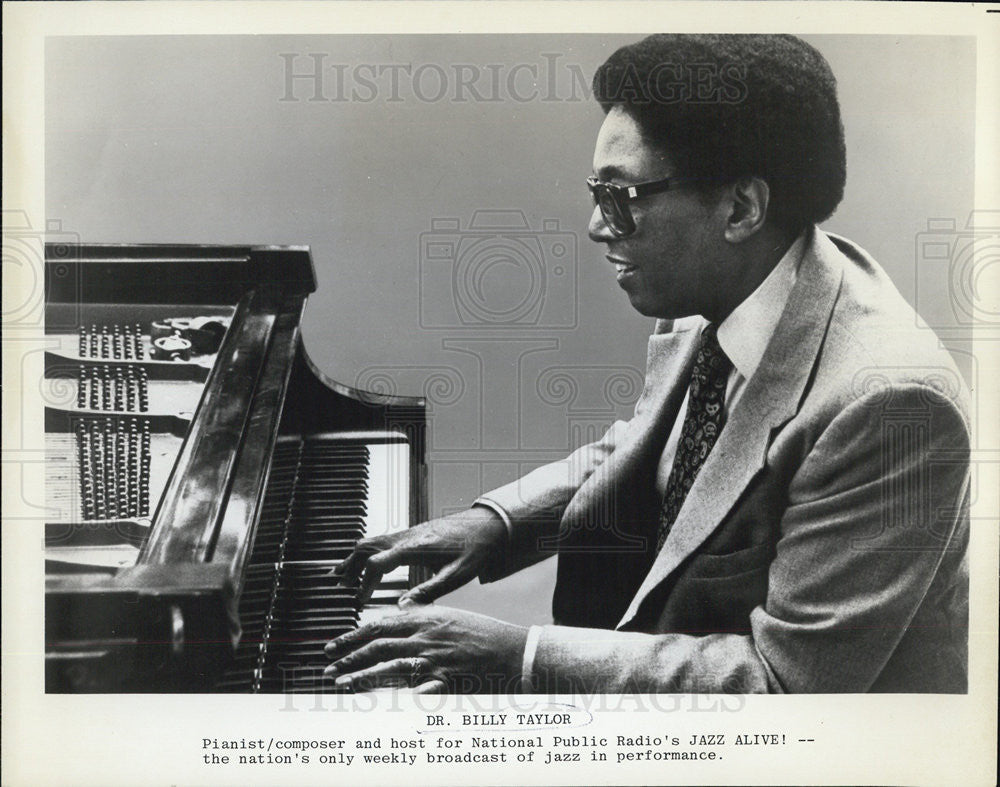
Billy Taylor's rise to fame was marked by several significant milestones. In the 1940s, he began performing with some of the biggest names in jazz, including Benny Goodman and Machito. His collaborations with these artists helped him gain recognition and establish his reputation as a talented pianist and composer.
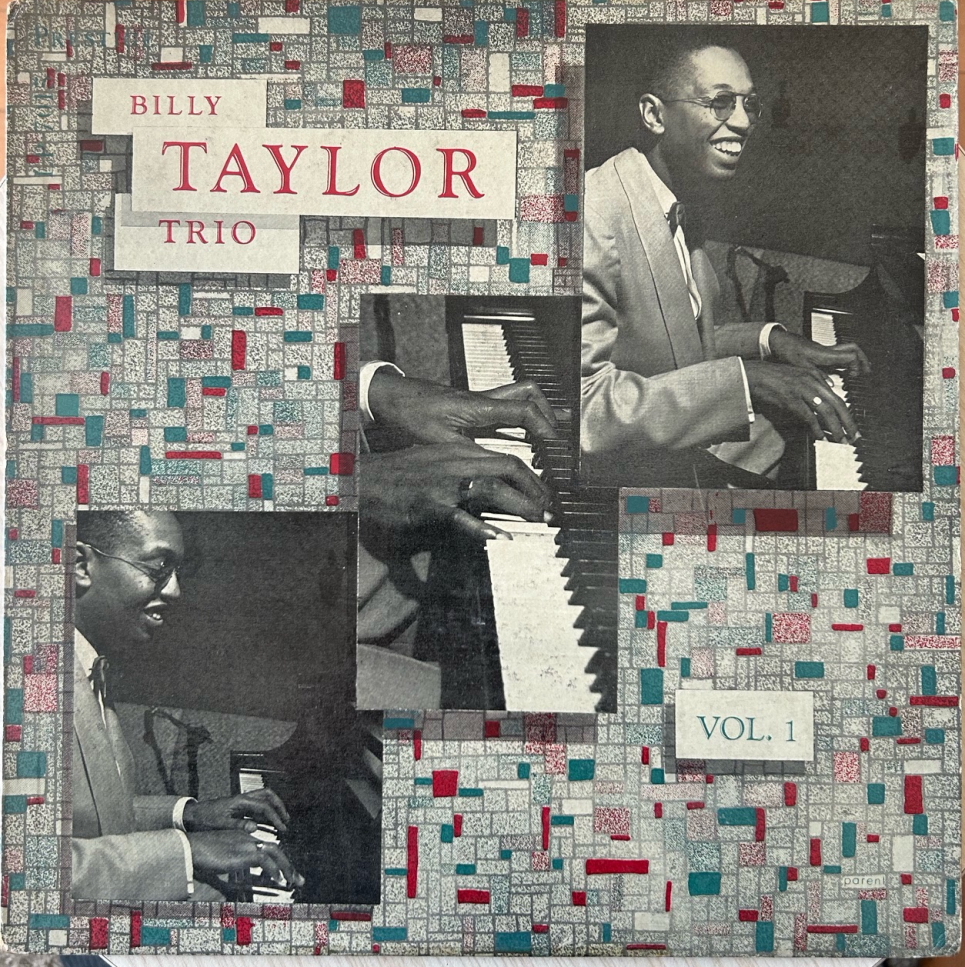
One of the most notable periods in Taylor's career was his time with the Billy Taylor Trio. Formed in the 1950s, the trio featured Taylor on piano, Earl May on bass, and various drummers, including Art Blakey and Kenny Clarke. The trio's performances were characterized by their intricate arrangements and Taylor's virtuosic piano playing. Their recordings, such as "Billy Taylor Xxx" and "The Billy Taylor Trio at the Embers," became jazz classics and showcased Taylor's unique style.
Innovations and Contributions
Billy Taylor's contributions to jazz extended beyond his performances. He was also a prolific composer, penning numerous pieces that have become standards in the jazz repertoire. Some of his most famous compositions include "I Wish I Knew How It Would Feel to Be Free" and "In a Sentimental Mood." These songs have been covered by numerous artists and continue to be popular today.
Taylor's work as an educator was equally impactful. He taught at several prestigious institutions, including the Manhattan School of Music and the New School for Jazz and Contemporary Music. His teaching methods emphasized the importance of understanding the fundamentals of music theory and improvisation. Taylor's students went on to become influential musicians in their own right, carrying forward his legacy.
In addition to his musical and educational contributions, Taylor was also a passionate advocate for jazz education. He believed that jazz should be taught in schools and universities, and he worked tirelessly to promote jazz education programs. His efforts helped to establish jazz as a legitimate art form and paved the way for future generations of jazz musicians.
Legacy and Influence
Billy Taylor's legacy continues to inspire musicians and music lovers alike. His innovative approach to jazz, which blended classical and jazz elements, has influenced countless artists. His compositions remain staples in the jazz repertoire, and his educational efforts have helped to preserve and promote the art form.
Taylor's influence can be seen in the work of many contemporary jazz musicians. Artists like Herbie Hancock, Chick Corea, and Keith Jarrett have cited Taylor as an inspiration. His unique style and approach to music have left a lasting impact on the genre, and his legacy continues to be celebrated by jazz enthusiasts around the world.
Billy Taylor passed away on December 6, 2010, but his music and teachings live on. His contributions to jazz have earned him numerous accolades, including a Grammy Award and induction into the Jazz Hall of Fame. Taylor's work serves as a reminder of the power of music to inspire, educate, and unite people from all walks of life.
🎵 Note: Billy Taylor's compositions, such as "I Wish I Knew How It Would Feel to Be Free," have been covered by numerous artists, including Nina Simone and Aretha Franklin, further cementing their place in music history.
In wrapping up our exploration of Billy Taylor's life and legacy, it's clear that his contributions to jazz are immeasurable. From his early beginnings as a prodigious pianist to his groundbreaking work as a composer and educator, Taylor's impact on the music world is undeniable. His unique style, which blended classical and jazz elements, has inspired generations of musicians and continues to influence the genre today. Taylor's legacy serves as a testament to the enduring power of music and its ability to transcend boundaries and bring people together.
What was Billy Taylor’s unique musical style?
+Billy Taylor’s unique musical style blended classical and jazz elements, creating a distinctive sound that set him apart from his contemporaries. His compositions and performances often featured intricate arrangements and virtuosic piano playing.
What are some of Billy Taylor’s most famous compositions?
+Some of Billy Taylor’s most famous compositions include “I Wish I Knew How It Would Feel to Be Free” and “In a Sentimental Mood.” These songs have been covered by numerous artists and continue to be popular today.
How did Billy Taylor contribute to jazz education?
+Billy Taylor was a passionate advocate for jazz education. He taught at several prestigious institutions and worked tirelessly to promote jazz education programs. His efforts helped to establish jazz as a legitimate art form and paved the way for future generations of jazz musicians.
What is the legacy of Billy Taylor?
+Billy Taylor’s legacy continues to inspire musicians and music lovers alike. His innovative approach to jazz, compositions, and educational efforts have left a lasting impact on the genre. His work serves as a reminder of the power of music to inspire, educate, and unite people from all walks of life.