If you own a Ford 6.7 Powerstroke diesel engine, you might have encountered issues with the 67 Powerstroke Coolant Crossover Pipe Leak. This problem can be frustrating and potentially damaging if not addressed promptly. This guide will walk you through the symptoms, causes, and solutions for this common issue.
Understanding the 67 Powerstroke Coolant Crossover Pipe
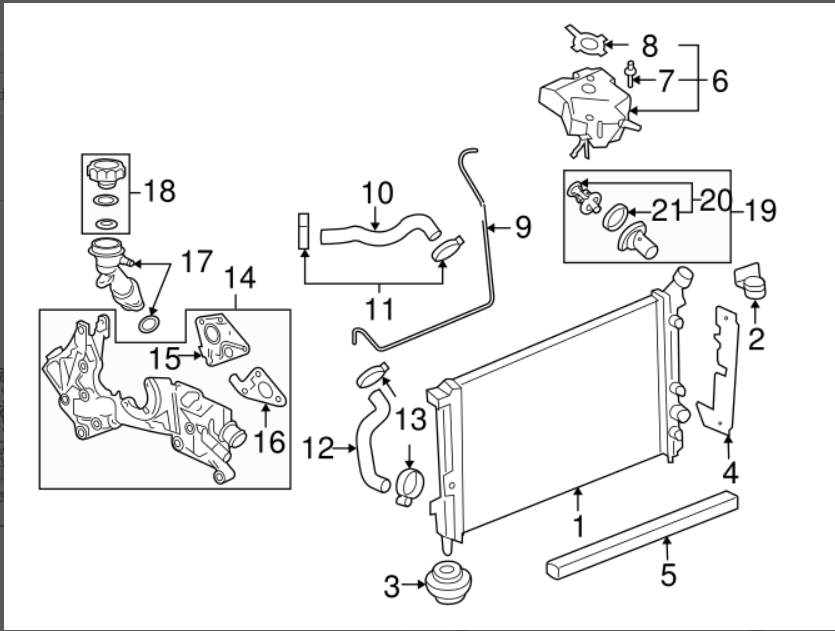
The coolant crossover pipe is a crucial component in the 6.7 Powerstroke engine. It plays a vital role in maintaining the engine’s cooling system by facilitating the flow of coolant between the engine block and the cylinder heads. Over time, this pipe can develop leaks, leading to various problems.
Symptoms of a 67 Powerstroke Coolant Crossover Pipe Leak
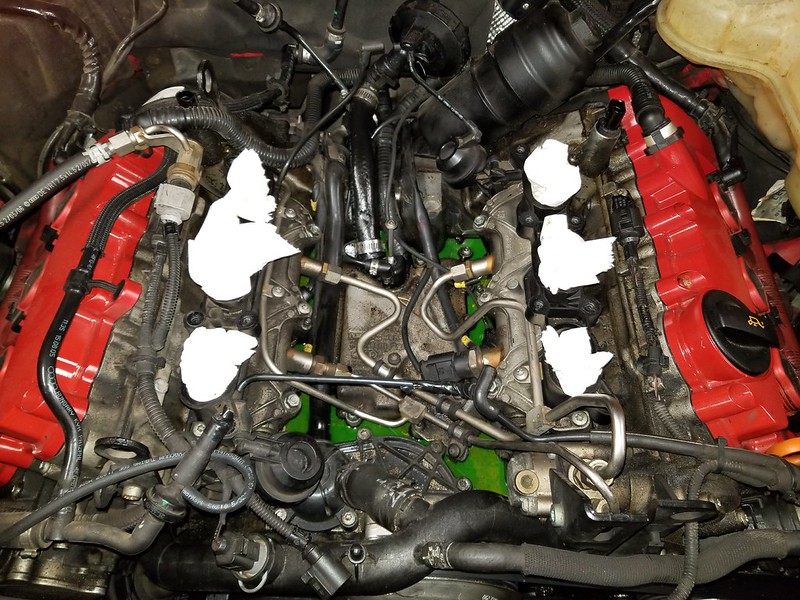
Identifying a 67 Powerstroke Coolant Crossover Pipe Leak early can save you from more significant issues. Here are some common symptoms to look out for:
- Overheating engine
- Low coolant levels
- Coolant leaks under the vehicle
- White smoke from the exhaust
- Engine misfires or rough idling
Causes of a 67 Powerstroke Coolant Crossover Pipe Leak
The coolant crossover pipe can leak due to several reasons:
- Corrosion and rust
- Cracked or damaged pipe
- Loose or improperly installed clamps
- Factory defects
Diagnosing a 67 Powerstroke Coolant Crossover Pipe Leak
If you suspect a 67 Powerstroke Coolant Crossover Pipe Leak, follow these steps to diagnose the issue:
- Check the coolant level in the reservoir. If it’s low, top it off and monitor it over time.
- Inspect the engine bay for any visible coolant leaks.
- Look for signs of corrosion or damage on the coolant crossover pipe.
- Feel the pipe for any hot spots, which could indicate a blockage or leak.
- Use a pressure tester to check the cooling system for leaks.
🛠️ Note: Always ensure the engine is cool before performing any inspections or repairs.
Repairing a 67 Powerstroke Coolant Crossover Pipe Leak
Repairing a 67 Powerstroke Coolant Crossover Pipe Leak can be done in a few ways, depending on the severity of the damage. Here are some common solutions:
Replacing the Coolant Crossover Pipe
If the pipe is severely damaged or corroded, replacement is the best option. Here’s a step-by-step guide:
- Drain the coolant from the engine.
- Remove the old coolant crossover pipe by disconnecting the hoses and clamps.
- Install the new coolant crossover pipe, ensuring all connections are secure.
- Refill the cooling system with the appropriate coolant.
- Bleed the cooling system to remove any air pockets.
- Test the engine to ensure the leak is fixed.
Using a Coolant Crossover Pipe Repair Kit
For minor leaks, a repair kit can be a cost-effective solution. These kits typically include a sealant or epoxy that can be applied to the leaky area. Follow the manufacturer’s instructions for the best results.
Replacing the Clamps
Sometimes, the issue might be due to loose or damaged clamps. Replacing the clamps can often resolve the leak. Ensure you use high-quality clamps designed for the 6.7 Powerstroke engine.
Preventing Future Leaks
To prevent future 67 Powerstroke Coolant Crossover Pipe Leaks, follow these maintenance tips:
- Regularly inspect the cooling system for signs of wear or damage.
- Flush and replace the coolant according to the manufacturer’s recommendations.
- Use high-quality coolant and additives to protect the cooling system.
- Ensure all clamps and hoses are securely fastened.
Common Mistakes to Avoid
When dealing with a 67 Powerstroke Coolant Crossover Pipe Leak, avoid these common mistakes:
- Ignoring the issue and continuing to drive with a leak.
- Using low-quality replacement parts or repair kits.
- Not properly bleeding the cooling system after repairs.
- Over-tightening clamps, which can cause damage to the pipe.
Addressing a 67 Powerstroke Coolant Crossover Pipe Leak promptly can save you from more significant and costly repairs down the line. By understanding the symptoms, causes, and solutions, you can keep your 6.7 Powerstroke engine running smoothly. Regular maintenance and inspections are key to preventing future issues and ensuring the longevity of your engine.
What are the signs of a 67 Powerstroke Coolant Crossover Pipe Leak?
+Signs of a 67 Powerstroke Coolant Crossover Pipe Leak include overheating engine, low coolant levels, coolant leaks under the vehicle, white smoke from the exhaust, and engine misfires or rough idling.
How do I diagnose a 67 Powerstroke Coolant Crossover Pipe Leak?
+To diagnose a 67 Powerstroke Coolant Crossover Pipe Leak, check the coolant level, inspect the engine bay for leaks, look for corrosion or damage on the pipe, feel for hot spots, and use a pressure tester.
Can I repair a 67 Powerstroke Coolant Crossover Pipe Leak myself?
+Yes, you can repair a 67 Powerstroke Coolant Crossover Pipe Leak yourself by replacing the pipe, using a repair kit, or replacing the clamps. Ensure you follow the correct procedures and use high-quality parts.
How can I prevent future 67 Powerstroke Coolant Crossover Pipe Leaks?
+To prevent future 67 Powerstroke Coolant Crossover Pipe Leaks, regularly inspect the cooling system, flush and replace the coolant, use high-quality coolant and additives, and ensure all clamps and hoses are securely fastened.
What should I avoid when dealing with a 67 Powerstroke Coolant Crossover Pipe Leak?
+When dealing with a 67 Powerstroke Coolant Crossover Pipe Leak, avoid ignoring the issue, using low-quality replacement parts, not properly bleeding the cooling system, and over-tightening clamps.